From Ephesus to Pergamon, discover the most breathtaking archaeological sites that make Turkey a paradise for history lovers.
Turkey sits at the crossroads of civilizations, and its landscape is scattered with the remnants of empires that shaped the world. From the Hittites to the Romans, from the Byzantines to the Ottomans, every corner of this land tells a story etched in stone. Here are ten ancient ruins you absolutely cannot miss.
1. Ephesus
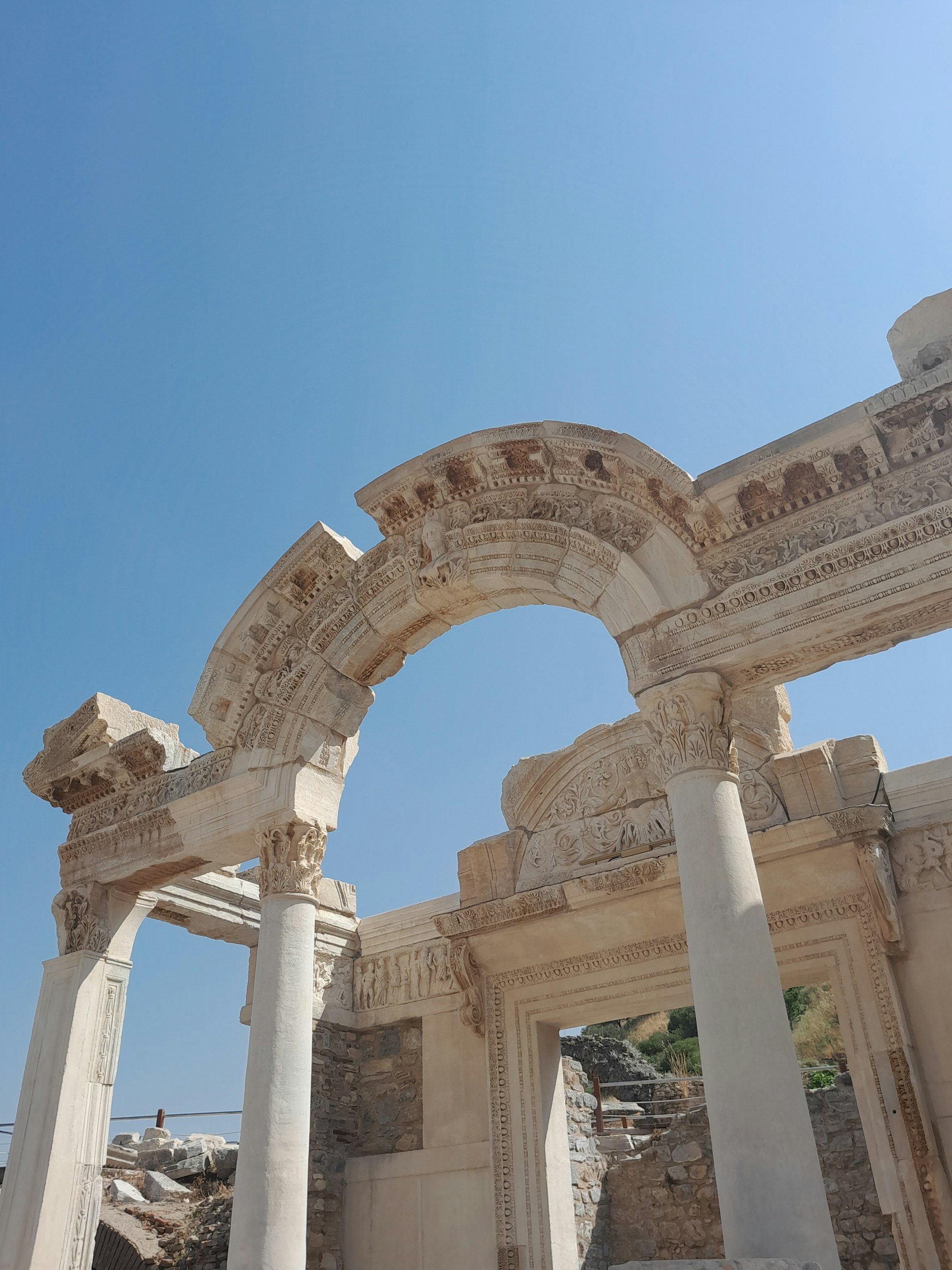
Located near the modern town of Selçuk in İzmir Province, Ephesus is arguably the most famous archaeological site in Turkey — and for good reason. Once a thriving Roman city of over 250,000 people, it was home to the Temple of Artemis, one of the Seven Wonders of the Ancient World.
Walking down the marble-paved Curetes Street, you'll pass the Library of Celsus, the Great Theatre (which seated 25,000 spectators), and the beautifully preserved Terrace Houses with their intricate mosaics and frescoes. Ephesus also holds deep significance for Christians — the Virgin Mary is believed to have spent her final years nearby, and the Apostle Paul preached here.
2. Pergamon (Bergama)
Perched dramatically on a hilltop in western Turkey, Pergamon was one of the most important cultural centers of the ancient world. Its library once rivaled Alexandria's, and the city is credited with the invention of parchment when Egypt cut off its papyrus supply.
The Acropolis features the steepest theatre in the ancient world, carved into the hillside with breathtaking views. The Asklepion, an ancient healing center, was essentially the world's first hospital. Don't miss the remnants of the Altar of Zeus, whose fragments are now in Berlin's Pergamon Museum.
3. Troy (Truva)
The legendary city of Troy, immortalized in Homer's Iliad, is a UNESCO World Heritage Site in the Çanakkale Province. The archaeological layers here span over 4,000 years and nine distinct cities built on top of each other.
While the ruins require some imagination to appreciate, the sheer historical significance of standing where Achilles, Hector, and Priam once walked is unmatched. The replica Trojan Horse at the entrance offers a fun photo opportunity and helps visitors visualize the famous siege.
4. Hierapolis & Pamukkale
Hierapolis, the ancient spa city, sits atop the stunning white travertine terraces of Pamukkale — a natural wonder that attracts millions of visitors each year. Founded around 190 BC, this Greco-Roman city was a major healing center thanks to its thermal springs.
Key highlights include the remarkably well-preserved theatre, the ancient necropolis (one of the largest in Anatolia with over 1,200 tombs), and the Antique Pool (Cleopatra's Pool) where you can swim among sunken Roman columns. The combination of natural beauty and ancient history makes this a truly unique destination.
5. Aphrodisias
Named after Aphrodite, the goddess of love, Aphrodisias is one of Turkey's best-preserved classical cities and a UNESCO World Heritage Site. Located in the Aydın Province, it was renowned for its school of sculpture and produced some of the finest marble works in the ancient world.
The stunning Tetrapylon gateway, the well-preserved Stadium (seating 30,000), and the Aphrodisias Museum with its extraordinary collection of sculptures make this a must-visit. The site is less crowded than Ephesus, offering a more intimate experience with the past.
6. Aspendos
Aspendos, near Antalya, boasts the best-preserved Roman theatre in the world. Built in 155 AD during the reign of Marcus Aurelius, this magnificent structure could seat between 15,000 and 20,000 spectators and is still used for performances today.
The acoustics are legendary — a coin dropped on the stage can be heard from the uppermost seats. Beyond the theatre, don't miss the impressive Roman aqueduct and basilica ruins scattered across the surrounding hillside.
7. Ani
Once known as the "City of 1,001 Churches," Ani is a hauntingly beautiful medieval city on the Armenian border in Kars Province. At its peak in the 11th century, this Silk Road city rivaled Constantinople, Cairo, and Baghdad in size and grandeur.
Today, the atmospheric ruins include the Cathedral (built 989-1001 AD), the Church of the Redeemer, and the Church of St. Gregory with stunning frescoes. The dramatic setting on a plateau overlooking a gorge makes Ani one of Turkey's most photogenic historical sites.
8. Göbekli Tepe
Göbekli Tepe near Şanlıurfa has fundamentally changed our understanding of human history. Dating back to approximately 9600 BC, it's the world's oldest known temple complex — predating Stonehenge by 6,000 years and built before humans even developed agriculture or pottery.
The massive T-shaped limestone pillars, decorated with carved animal reliefs, suggest that organized religion may have preceded settled civilization, not the other way around. This UNESCO World Heritage Site is nothing short of revolutionary for archaeology.
9. Hattusha
Hattusha, near the modern village of Boğazkale in Çorum Province, was the capital of the mighty Hittite Empire, which rivaled ancient Egypt. This UNESCO World Heritage Site dates back to the Bronze Age (approximately 1600-1200 BC).
The impressive Lion Gate and King's Gate, the massive reconstructed city walls, and the Great Temple ruins give a sense of the Hittites' advanced civilization. Nearby Yazılıkaya, an open-air rock sanctuary with reliefs of Hittite gods and goddesses, is an extraordinary addition to any visit.
10. Myra (Demre)
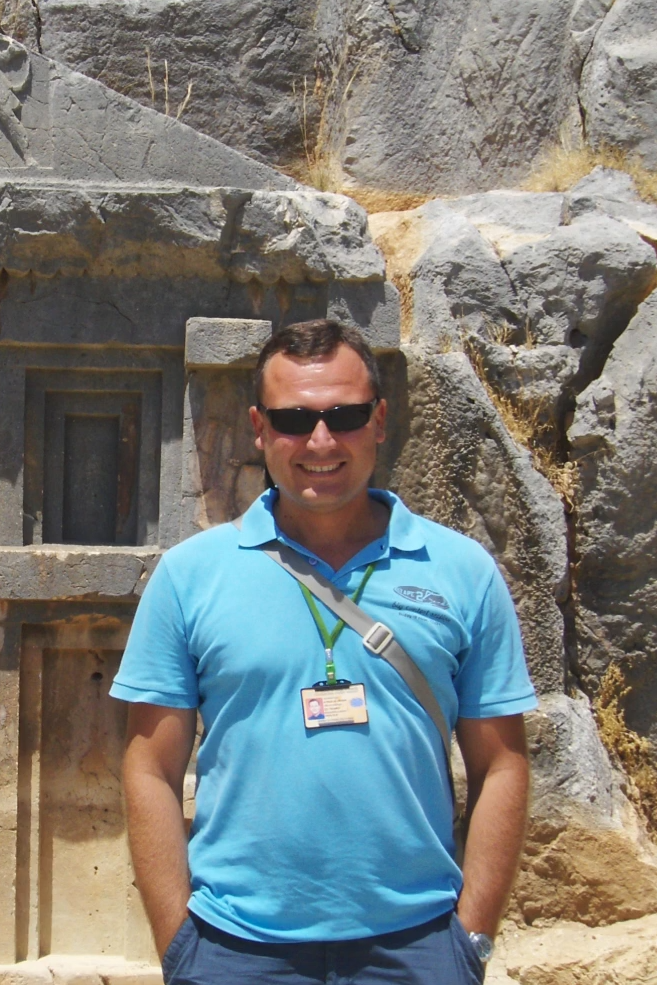
Located in the Antalya Province, Myra is famous for its spectacular Lycian rock-cut tombs carved high into the cliff face. These elaborately decorated tombs, dating from the 4th century BC, resemble the facades of wooden houses and temples.
Myra is also closely associated with St. Nicholas (the historical figure behind Santa Claus), who served as bishop here in the 4th century AD. The Church of St. Nicholas and the well-preserved Roman theatre complete a visit to this fascinating Lycian city.
Turkey is not just a country with ancient ruins — it's an open-air museum where every stone has a story to tell and every path leads to a new chapter of human history.
Whether you're a seasoned history buff or a casual traveler, these ten sites offer something for everyone. Each one provides a unique window into the civilizations that shaped not just Turkey, but the entire world. Start planning your archaeological adventure today!