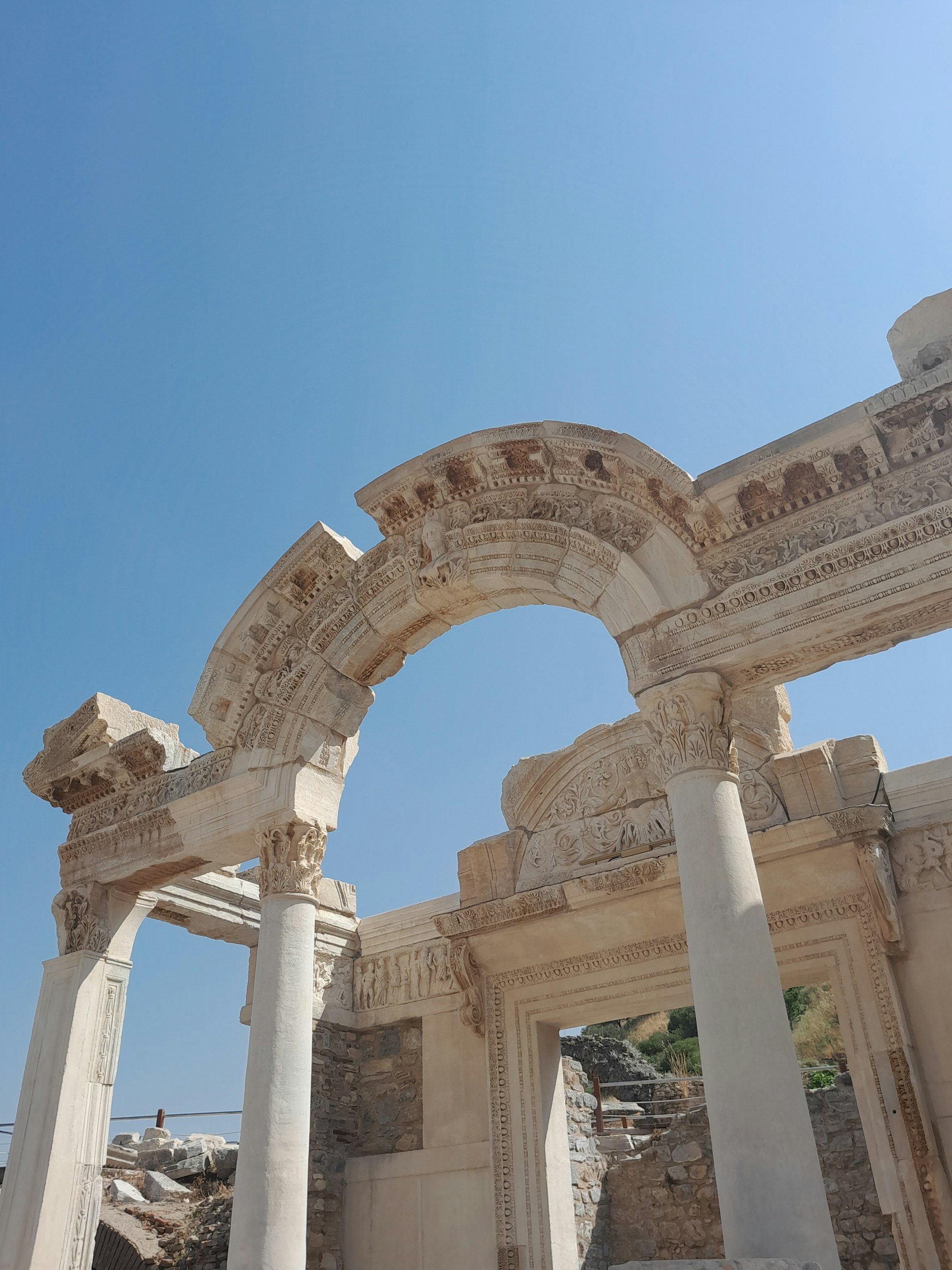


Explore the rich flavors of Turkish cuisine, from street food favorites to Ottoman palace dishes.
Turkish cuisine is one of the world's great culinary traditions, shaped by centuries of cultural exchange along the Silk Road and refined in the kitchens of the Ottoman Empire. It bridges East and West, blending Central Asian, Middle Eastern, Mediterranean, and Balkan influences into something entirely unique. For travelers, understanding Turkish food is essential to understanding Turkey itself.
The Foundations of Turkish Cuisine
Turkish cooking is built on fresh, seasonal ingredients prepared with time-honored techniques. The country's diverse geography — from the Mediterranean coast to the Black Sea mountains, from the fertile Aegean plains to the arid central steppe — provides an extraordinary range of produce, herbs, and spices.
Key principles include:
- Freshness above all: Turkish cooks insist on seasonal, locally sourced ingredients. Markets (pazars) are the heartbeat of every neighborhood.
- Simplicity with depth: Dishes often use few ingredients but achieve complex flavors through slow cooking, charcoal grilling, and expert spice blending.
- Bread is sacred: From fluffy pide to crispy simit, bread accompanies every meal and is never wasted.
- Communal dining: Turkish meals are meant to be shared. A traditional spread features dozens of small dishes enjoyed together.
Must-Try Dishes
Kebabs: Far Beyond What You Know
Forget everything you think you know about kebabs. In Turkey, kebab is an art form with dozens of regional variations:
- Adana Kebab: Spicy, hand-minced lamb on a flat skewer, grilled over charcoal. Named after the southern city of Adana, it's bold and fiery.
- İskender Kebab: Thinly sliced döner meat served over pide bread, drizzled with tomato sauce and melted butter, with a side of yogurt. A Bursa specialty that's pure decadence.
- Tandır Kebab: Slow-cooked lamb that falls off the bone, traditionally prepared in underground clay ovens for hours.
- Beyti Kebab: Ground lamb wrapped in lavash bread and topped with tomato sauce and yogurt — a Istanbul restaurant classic.
Mezes: The Art of the Appetizer
A proper Turkish meal begins with meze — an array of small dishes that can easily become a meal in themselves:
- Hummus & Babaganoush: Creamy dips made from chickpeas and roasted eggplant, drizzled with olive oil.
- Sigara Böreği: Crispy rolled pastry filled with feta cheese and herbs — the ultimate Turkish appetizer.
- Çiğ Köfte: Spiced raw bulgur "meatballs" wrapped in lettuce with a squeeze of lemon and pomegranate molasses.
- Haydari: Thick strained yogurt blended with garlic, dill, and mint — addictively good.
- Acılı Ezme: A fiery paste of hand-chopped tomatoes, peppers, onions, and herbs from southeastern Turkey.
Street Food Legends
Turkish street food is legendary, and some of the best meals you'll have will come from humble carts and hole-in-the-wall shops:
- Balık Ekmek: Grilled mackerel in crusty bread, served dockside in Istanbul's Eminönü — a city institution.
- Simit: The circular sesame bread ring found on every street corner, often enjoyed with tea and white cheese for breakfast.
- Lahmacun: Paper-thin crispy flatbread topped with spiced minced meat, herbs, and lemon. Often called "Turkish pizza," but it's in a league of its own.
- Kumpir: Giant baked potatoes loaded with butter, cheese, and dozens of toppings — a specialty of Istanbul's Ortaköy neighborhood.
- Döner: The original rotating meat that inspired shawarma and gyros worldwide. In Turkey, it's an art form.
Sweets & Desserts
Turkish desserts are legendary, with a tradition stretching back to the Ottoman palace kitchens:
- Baklava: Layers of paper-thin phyllo pastry filled with pistachios or walnuts and soaked in syrup. Gaziantep produces the world's finest.
- Künefe: Shredded phyllo dough encasing melted cheese, baked golden and drenched in sweet syrup — an unforgettable hot dessert from Hatay.
- Turkish Delight (Lokum): The famous gel-like confection in hundreds of flavors, from rose water and pistachio to pomegranate and double-roasted hazelnut.
- Sütlaç: Creamy baked rice pudding with a caramelized top — simple, comforting, and utterly satisfying.
- Dondurma: Turkish ice cream made with salep (orchid root), giving it an elastic, chewy texture unlike any ice cream you've tried.
Regional Specialties
Turkey's culinary landscape varies dramatically by region:
- Southeast (Gaziantep, Şanlıurfa): The spice capital of Turkey. Known for the world's best baklava, lahmacun, and fiery kebabs.
- Black Sea Coast: Butter, corn bread, anchovies, and hazelnuts dominate. Try muhlama (a cheesy cornmeal fondue) and hamsi (anchovy) dishes.
- Aegean & Mediterranean: Olive oil-based dishes, fresh seafood, wild herbs, and the famous zeytinyağlı (olive oil) cold dishes.
- Central Anatolia: Hearty dishes like mantı (Turkish ravioli with yogurt and garlic sauce) and testi kebabı (pottery kebab) from Cappadocia.
The Turkish Breakfast Experience
Turkish breakfast (kahvaltı) is not just a meal — it's a celebration. A traditional spread includes:
- Multiple varieties of cheese (beyaz peynir, kaşar, tulum)
- Fresh tomatoes, cucumbers, and olives
- Honey, kaymak (clotted cream), and jams
- Eggs prepared as menemen (scrambled with tomatoes and peppers)
- Simit, fresh bread, and börek pastries
- Endless glasses of Turkish tea
Many Turks spend hours over weekend breakfast — it's a social ritual as much as a culinary one. Serpme kahvaltı (spread breakfast) at a scenic spot is one of Turkey's greatest pleasures.
Tea & Coffee Culture
No exploration of Turkish cuisine is complete without understanding the country's profound relationship with beverages:
Turkish Tea (Çay): Turkey is the world's largest per-capita consumer of tea. Served in small tulip-shaped glasses, black tea accompanies every moment of the day — from business meetings to family gatherings. Refusing tea is almost an insult!
Turkish Coffee: A UNESCO-recognized cultural heritage, Turkish coffee is brewed in a small copper pot (cezve) with finely ground beans and often a touch of sugar. It's served with the grounds settled at the bottom, and fortune-telling from the remaining coffee grounds is a beloved tradition.
Ayran: A refreshing yogurt drink made by mixing yogurt with water and salt. It's the perfect companion to kebabs and heavy dishes.
In Turkey, food is not just sustenance — it's a language of hospitality, a bridge between cultures, and a living connection to thousands of years of history.
Whether you're savoring a simple simit with tea by the Bosphorus or feasting on an elaborate Ottoman-inspired dinner, Turkish cuisine will capture your heart — and your taste buds — in ways you never expected.