Explore the mysterious underground cities where early Christians hid from persecution, descending up to 8 levels below the surface.
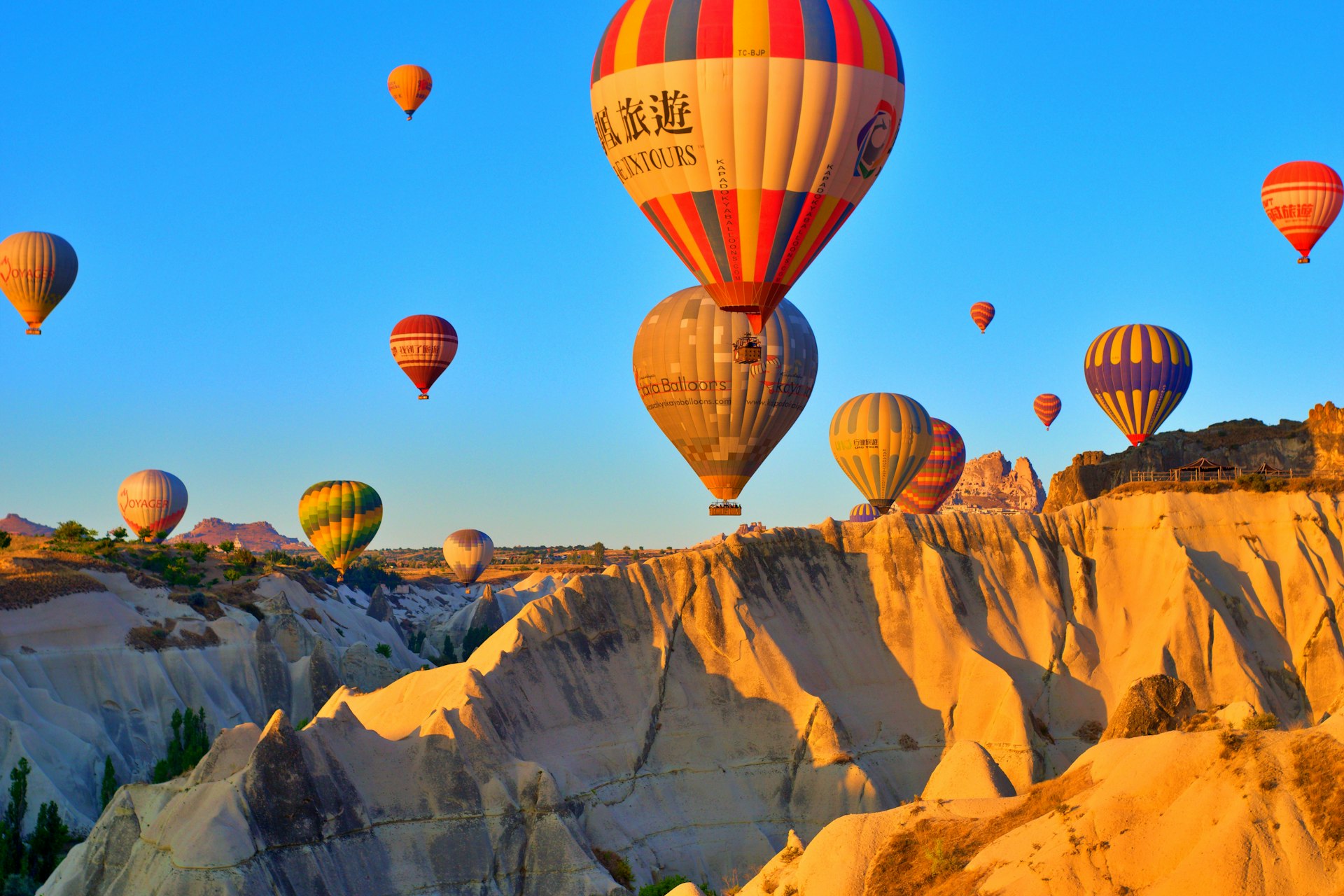
Beneath the surreal fairy chimneys and valleys of Cappadocia lies another world entirely — a vast network of underground cities carved deep into the soft volcanic tuff rock. These subterranean complexes, some descending eight levels below the surface, sheltered thousands of people during times of persecution and invasion. They are among the most remarkable feats of ancient engineering on Earth.
A History Written in Stone
The underground cities of Cappadocia have roots stretching back thousands of years. The soft volcanic tuff rock — deposited by ancient eruptions from Mount Erciyes and other volcanoes — proved easy to carve yet surprisingly strong when dried and exposed to air.
The earliest tunnels are believed to have been carved by the Hittites around 1200 BC, possibly as storage chambers or temporary refuges. The Phrygians significantly expanded them between the 8th and 7th centuries BC, creating more extensive underground networks.
However, it was during the early Christian era (particularly the 6th and 7th centuries AD) that the underground cities reached their most elaborate form. As Arab raiders swept through Anatolia, Christian communities retreated underground for protection, transforming simple cave networks into fully functioning subterranean cities complete with churches, schools, storage rooms, wine presses, and ventilation systems.
The most intense period of use continued through the Byzantine era, when these cities could shelter entire communities for months at a time during sieges. They were later used by Ottoman-era Greeks before being largely abandoned in the early 20th century.
Derinkuyu: The Deepest Underground City
Derinkuyu is the deepest discovered underground city in Cappadocia, extending approximately 60 meters (200 feet) below the surface across eight visible levels (with additional levels believed to remain unexcavated). At its peak, it could shelter an estimated 20,000 people along with their livestock and food stores.
What You'll Find Below
- Level 1-2: Living quarters and stables. The upper levels contain rooms used for daily living, along with stables for animals that would be brought underground during sieges.
- Level 3-4: Churches, schools, and storage. A cruciform church carved from solid rock, classrooms, and vast food storage chambers with stone containers for grain, oil, and wine.
- Level 5: Strategic areas. A large meeting hall, likely used as a military command center, and additional churches suggesting a strong religious community.
- Level 6-8: Deep storage and water supply. The deepest levels contain wells that reach the water table, ensuring fresh water supply during long sieges. The well shafts also served as ventilation channels.
Ingenious Defense Systems
Derinkuyu's engineering is remarkable. Massive circular stone doors (weighing 200-500 kg) could be rolled across tunnel entrances from the inside, sealing off levels and trapping invaders. These doors had holes in the center — not for seeing through, but for defenders to thrust spears at anyone trying to move the door. Narrow tunnels forced attackers into single-file, neutralizing any numerical advantage.
A sophisticated ventilation system of over 50 vertical shafts brought fresh air to the deepest levels, while the city's layout was designed so that sections could be sealed independently, preventing poison gas attacks from reaching the entire population.
Kaymaklı: The Widest Underground City
While Derinkuyu goes deep, Kaymaklı spreads wide. Located just 10 km to the north, Kaymaklı is the widest underground city in Cappadocia, with four of its eight levels currently open to visitors. The two cities were connected by an 8-kilometer underground tunnel, allowing populations to move between them unseen.
Distinctive Features
- Wine and oil production: Kaymaklı contains numerous pressing stones and storage jars, evidence of active wine and olive oil production underground.
- Andesite rolling stones: Like Derinkuyu, massive stone doors protected each level, but Kaymaklı used andesite — a harder volcanic rock imported because the local tuff was too soft for defensive doors.
- Communal kitchens: Large cooking areas with smoke-blackened ceilings reveal where communal meals were prepared for thousands of residents.
- Wider tunnels: Compared to Derinkuyu, Kaymaklı has broader passages in many sections, giving a less claustrophobic experience for modern visitors.
How the Underground Cities Worked
These weren't just emergency shelters — they were designed for long-term habitation:
- Ventilation: Dozens of ventilation shafts, some extending 70-80 meters deep, maintained airflow throughout the complex. The shafts also served as communication channels between levels.
- Water supply: Deep wells tapped into the water table, providing fresh water independent of the surface. Some wells were strategically not connected to the surface to prevent enemies from poisoning the water supply.
- Food storage: Large storage rooms held enough grain, dried food, oil, and wine to sustain the population for several months. Some rooms had natural refrigeration from the cool underground temperatures.
- Livestock: The upper levels included stables where cattle, sheep, and goats were kept, providing milk, meat, and warmth.
- Sanitation: Designated waste areas and drainage channels maintained hygiene, though conditions during prolonged sieges must have been challenging.
- Communication: Vertical shafts and narrow passages connected levels, allowing messages and supplies to be passed between sections even when rolling stone doors were sealed.
Visiting Tips
- Wear comfortable shoes: Floors can be uneven and slippery. Good grip is essential as you navigate steep staircases and narrow passages.
- Dress in layers: Underground temperatures are a constant 13-15°C (55-59°F) year-round, which feels cold after the summer heat above ground. Bring a light jacket even in summer.
- Not for the claustrophobic: Some passages are extremely narrow — barely wide enough for one person — and ceilings can be as low as 150 cm (5 feet). If tight spaces trouble you, stick to the wider main chambers.
- Visit early: Arrive when they open (8:00 AM) to avoid large tour groups. The underground corridors can feel very crowded — and warm — when packed with tourists.
- Derinkuyu vs. Kaymaklı: If you only have time for one, Derinkuyu is deeper and more dramatic; Kaymaklı is wider, easier to navigate, and less crowded. Ideally, visit both.
- Hire a guide: The cities are genuinely labyrinthine. A knowledgeable guide transforms the experience by explaining what each room was used for and how the defense systems worked.
- Allow 1-2 hours per city: Don't rush. Take time to absorb the atmosphere and imagine life underground for weeks or months at a time.
Other Underground Sites Worth Visiting
Derinkuyu and Kaymaklı are the two most famous, but Cappadocia has over 200 known underground cities, with new ones still being discovered:
- Özkonak: A smaller but fascinating underground city with a unique communication system — small holes between levels allowed residents to speak and pass messages without opening the rolling stone doors.
- Gaziemir Underground City: Less visited and more adventurous, featuring a monastery and church.
- Tatlarin Underground City: Notable for its well-preserved kitchen featuring carved stone tables and food preparation areas, plus military-use rooms that distinguish it from the others.
- Mazi Underground City: One of the largest, with unique Byzantine-era frescoes in its underground church — rarely seen in other subterranean sites.
- Nevşehir Underground City (2014 discovery): The largest ever found, estimated to be 3x larger than Derinkuyu. Still being excavated by archaeologists — a reminder that Cappadocia still holds secrets yet to be revealed.
Standing in the deepest level of Derinkuyu, 60 meters below the sunlit fairy chimneys, listening to silence that has lasted centuries — you realize these aren't just tunnels in the rock. They're monuments to human resilience, ingenuity, and the fierce will to survive.
The underground cities of Cappadocia are among Turkey's most awe-inspiring attractions. They complement the above-ground wonders of the region — the fairy chimneys, rock churches, and balloon-dotted skies — by adding a profound historical depth that few destinations can match. Don't just look up in Cappadocia; remember to look down, too.